Choosing the best Menstrual Heat Patches can feel simple, but the details matter. A patch rests against sensitive skin for hours, often beneath clothing, while cramps interrupt work, sleep, or travel. The right choice should provide gentle, consistent warmth without creating unnecessary discomfort. It should also match your routine, skin sensitivity, and personal comfort preferences.
Look closely at the heating method, temperature range, wear time, adhesive quality, and ingredient list. Some patches use air-activated heat, while others depend on reusable warming elements. Check whether the product offers clear instructions, reliable packaging, and warnings about sleeping or prolonged use. A trustworthy brand should explain its materials and testing rather than promise instant relief for everyone. Evidence may support heat as a comfort measure, but individual results can vary.
Your own experience matters.
Try a patch during a calm day before using it during heavy cramps. Place it over clothing when the instructions recommend that approach, and inspect your skin afterward. Redness, itching, burning, or unusual pain means you should remove it promptly. People with sensitive skin, circulation concerns, diabetes, pregnancy questions, or severe menstrual symptoms should seek professional medical advice before use. Heat may soothe ordinary discomfort, yet it should not hide symptoms that need evaluation. I have found that convenience can influence satisfaction as much as warmth, although that is not a substitute for clinical evidence. The “best” option is therefore not the hottest patch, but a dependable product used carefully and realistically.
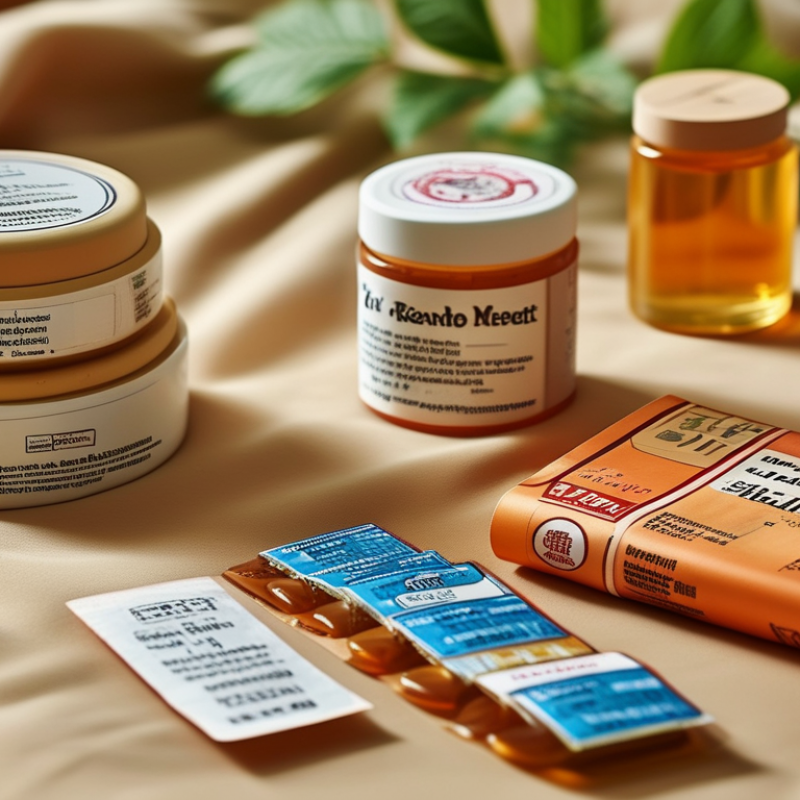
Menstrual heat patches work through a simple but useful process. Many disposable patches contain iron powder, salt, activated carbon, and moisture. When air enters the pouch, the iron slowly oxidizes and releases heat. Reusable versions may use a heated gel or phase-change material instead. The result is gentle warmth across the lower abdomen or back.
Heat can relax tense muscles and increase local blood flow. This may reduce cramping and create a calmer, less heavy feeling. It does not remove the underlying cause of menstrual pain. That distinction matters. A patch should feel comfortably warm, never sharply hot. Check the temperature after several minutes, especially during the first use. Thin clothing usually allows better warmth, while direct skin contact can increase irritation or burns.
Choosing a suitable patch requires more than checking its advertised duration. Look for clear temperature guidance, secure but breathable adhesive, and instructions for sensitive skin. Avoid placing it on broken skin or wearing it while sleeping unless the instructions specifically allow it. Some patches lose warmth quickly in cold conditions. Others stay hot longer than expected. I once preferred the strongest heat, but gentler warmth proved easier to tolerate during a long commute. If pain is severe, sudden, or repeatedly disrupts daily life, professional medical advice is more appropriate than relying only on heat.
How to Choose the Best Menstrual Heat Patches?
Identifying the Main Types of Heat Patches
About 1.8 billion people menstruate globally, according to the WHO and UNICEF 2024 menstrual health data. That scale explains the growing demand for portable comfort. Heat patches usually fall into three types. Disposable adhesive patches contain iron powder and warm gradually after exposure to air. They suit commuting, work, or travel. Reusable gel patches can be chilled or warmed, but they need a microwave or hot water. Battery-powered patches offer adjustable temperature and longer use. They also require charging and careful skin checks.
Disposable patches are thin and convenient. Reusable designs create less packaging waste. Electric versions give better control. However, “stronger” heat is not automatically better. The American College of Obstetricians and Gynecologists recognizes heat as a useful option for menstrual cramps, while clinical reviews suggest benefits may vary between users. Research on heat patches remains smaller than marketing language implies. That deserves attention. Avoid direct contact with bare skin, especially during sleep. Stop using a patch if redness, burning, dizziness, or unusual pain appears.
Tips: Check the temperature range, wear time, adhesive area, and disposal instructions. Test it briefly over clothing first. For sensitive skin, choose a reusable cover or lower setting. If cramps suddenly worsen, consult a qualified healthcare professional rather than relying only on heat.
Compare the main heat-patch formats by heating method, typical temperature, operating time, portability, and safety considerations. Specifications vary by product, so always follow the instructions supplied with the patch.
| Heat Patch Type | Heat Source and Activation | Typical Temperature Range | Typical Heating Time | Reusable? | How It Is Used | Main Advantages | Important Considerations | Best For |
|---|---|---|---|---|---|---|---|---|
| Air-Activated Disposable Patch | Iron powder, salt, activated carbon, water, and other ingredients react with oxygen after the sealed package is opened. | Usually about 40–55°C (104–131°F), depending on airflow, insulation, and product design. | Commonly 6–12 hours. | No | Open the package, allow the patch to warm, and place it over clothing or on the instructed external body area. | Lightweight, thin, convenient, and does not require batteries or a power outlet. | Do not cut, puncture, microwave, wet, or sleep with the patch unless the instructions specifically allow it. Avoid direct skin contact when required by the directions. | Travel, work, commuting, and situations where long-lasting portable heat is needed. |
| Adhesive Self-Heating Menstrual Patch | An air-activated heating element combined with an adhesive backing designed to stay in place on underwear or clothing. | Typically about 40–50°C (104–122°F) at the heat source; the perceived skin temperature may be lower. | Often around 6–10 hours. | No | Attach to the outside of underwear or another instructed fabric surface rather than directly to sensitive skin, unless the product label states otherwise. | Hands-free use, discreet profile, and stable positioning during daily activities. | Adhesive performance can decrease with movement, moisture, or body oils. Check the skin regularly for redness, irritation, or excessive warmth. | People who want a low-profile option that can be worn under everyday clothing. |
| Reusable Gel or Phase-Change Heat Pack | A gel, wax, or phase-change material is warmed in hot water or activated according to the product instructions. | Usually about 38–55°C (100–131°F), depending on the heating method and cooling time. | Approximately 20–90 minutes per cycle. | Yes | Wrap in a cloth or place over clothing before applying to the lower abdomen or lower back. | Creates soft, moist-feeling or steady warmth and can be used repeatedly, reducing disposable waste. | Requires reheating between uses. Inspect for leaks or damage, and never apply a heated pack directly to bare skin for prolonged periods. | Home use, repeated cycles, and users who prefer a reusable product. |
| Microwaveable Fabric Heat Wrap | Fabric filled with materials such as grains, seeds, clay beads, or other heat-retaining fillers; heated in a microwave according to the label. | Often about 40–60°C (104–140°F) immediately after heating, with temperature gradually decreasing. | Approximately 20–45 minutes. | Yes | Heat for the specified time, test the temperature, and place the wrap over clothing or a protective layer. | Flexible, comfortable, and suitable for targeted abdominal or back warming. | Uneven heating, overheating, or moisture can create burn or fire risks. Use only the recommended microwave time and allow the wrap to cool fully before reheating. | Relaxing at home when a soft, flexible heat wrap is preferred. |
| Electric or Rechargeable Heat Belt | Electrical heating elements powered by a rechargeable battery or mains adapter, usually with selectable heat levels. | Common adjustable settings range from approximately 35–55°C (95–131°F). | About 2–8 hours on battery, depending on heat setting and battery capacity. | Yes | Wear around the abdomen or lower back over a layer of clothing and select the required heat level. | Adjustable temperature, consistent heat, and no chemical heating ingredients. | Requires charging and may be thicker or heavier than disposable patches. Keep electrical components dry and avoid using damaged cables or batteries. | Users who want adjustable, repeatable heat at home, work, or while resting. |
| Adhesive Non-Heating Support Patch | No heat source. It may provide compression, sensory support, or a warming sensation through its material or adhesive design. | No measurable heat output should be assumed. | Often 8–24 hours, depending on the adhesive and product instructions. | No | Apply to clean, dry skin or clothing only as directed by the manufacturer. | Very thin, discreet, and easy to wear during movement. | It should not be selected when actual therapeutic warmth is required. Remove it if itching, rash, swelling, or discomfort develops. | People seeking a non-heating wearable patch or additional support during daily activities. |
Choosing a menstrual heat patch starts with its temperature range. A mild patch may suit light cramps or sensitive skin, while stronger heat can feel better during severe discomfort. However, hotter is not always better. Test the patch over clothing first, and follow the stated time limits carefully. Keep it simple.
Materials also affect comfort. A breathable fabric layer can reduce sweating during work or travel. Soft, flexible designs usually move better when sitting, walking, or sleeping nearby. Check whether the adhesive touches skin directly. Some patches are intended for underwear or clothing, not bare skin. People with fragrance sensitivity should examine the ingredient list and avoid unnecessary additives.
Wear time matters as much as heat. Short-use patches may work for a commute, while longer-use options can support several hours of relief. Never extend the recommended period because the warmth feels gentle. Skin can become irritated gradually. Inspect the area after removal, especially if you have sensitive skin, reduced sensation, or a history of heat reactions. Avoid using a patch on broken or inflamed skin, and stop if you feel burning, itching, dizziness, or unusual pain. A patch can ease discomfort, but it should not hide symptoms that are severe, persistent, or suddenly different. I would not choose based on maximum heat alone; comfort, material, and realistic wear time deserve equal attention.
A safe heat patch should provide clear instructions, including temperature, wear time, and placement. Look for protective layers that reduce direct heat against the skin. A patch should feel comfortably warm, never painfully hot. Skin can burn before discomfort becomes obvious, especially during sleep. Avoid using one with a heating pad or tight clothing over it. Too much heat is still a risk.
Check the adhesive carefully. Fragrance, latex, and certain adhesives may irritate sensitive skin. Test a small area on your arm before applying the patch to your abdomen. Wait several hours and watch for redness, itching, swelling, or a rash. Do not apply it to broken, inflamed, freshly shaved, or sunburned skin. Clean, dry skin helps it stay in place without extra pressure. Stop immediately if your skin feels numb or unusually hot.
Read the warnings, even when cramps feel familiar. People with reduced heat sensation, circulation problems, diabetes, or recurring skin reactions should ask a healthcare professional first. Pregnant users should also seek suitable medical advice. It is easy to assume “natural warmth” means harmless, but temperature and exposure time matter. If irritation appears, remove the patch and cool the area gently. Persistent pain, blistering, or severe redness needs medical attention. A patch may ease discomfort, but it should not hide unusual or worsening menstrual symptoms.
Choosing the best menstrual heat patch starts with your body, not packaging claims. Dysmenorrhea affects roughly 50% to 90% of adolescent girls and young women, according to the American College of Obstetricians and Gynecologists. However, pain patterns differ widely. A small patch may suit mild, central cramps during commuting. A larger patch may feel more practical at home. It depends.
Check the patch’s temperature, heating duration, adhesive strength, and coverage area. The Cochrane Database of Systematic Reviews reported that heat may relieve primary menstrual pain, but the evidence quality remains limited. That matters. Choose steady warmth rather than extreme heat, especially if you have sensitive skin or reduced sensation. Fragrance-free and latex-free materials can reduce avoidable irritation. Test the patch briefly before wearing it for several hours.
Movement also changes the choice. A flexible patch may stay comfortable under fitted clothing, while a thicker design may work better while resting. Never place it on broken skin or use it while sleeping unless the instructions clearly permit it. Stop immediately if burning, redness, or dizziness occurs. In practice, comfort is easy to underestimate. A product that heats strongly may still be unsuitable if it pulls your skin or causes sweating. Severe, new, or worsening pain deserves medical advice, because a heat patch can ease symptoms but cannot identify their cause.
Typical working duration by heat-patch format
Disposable air-activated patches generally provide the longest continuous warmth, while electric and microwavable reusable products usually offer shorter heating sessions but can be used repeatedly. Always follow the product instructions, avoid direct skin contact when advised, and stop use if the skin becomes painful, excessively red, or irritated.
Values show common manufacturer-stated ranges for general product formats; actual performance varies by design, temperature setting, environment, and use conditions.
: Disposable patches warm after exposure to air. Reusable gel patches use hot water or a microwave. Battery-powered patches offer adjustable heat.
Disposable patches are thin, portable, and simple to use. They need no charging or external heating.
Not necessarily. Comfortable warmth may help, while excessive heat can burn skin. Personal comfort matters more than maximum temperature.
Test it briefly over clothing first. For adhesive products, try a small arm area and monitor your skin for several hours.
Avoid sleeping with one unless the instructions clearly allow it. Skin may burn before discomfort wakes you.
Do not apply it to broken, inflamed, freshly shaved, or sunburned skin. Clean, dry skin works best.
Remove it if you notice redness, burning, itching, swelling, numbness, dizziness, or unusual pain. Stop using it immediately.
People with reduced heat sensation, circulation problems, diabetes, or recurring skin reactions should ask a healthcare professional.
No. They may ease familiar discomfort, but worsening or unusual cramps need professional evaluation. I might underestimate that difference.
Choosing the best Menstrual Heat Patches begins with understanding how they work. These patches gradually release soothing warmth to the lower abdomen or back, helping relax tense muscles and ease menstrual discomfort. They may come in adhesive, reusable, or flexible wearable designs, so it is useful to compare their heat levels, materials, activation methods, and expected wear time. A patch that provides gentle, consistent warmth may be more comfortable for everyday use than one that becomes excessively hot.
Safety and skin compatibility are also important considerations. Look for clear usage instructions, secure but breathable materials, and features that help prevent overheating. If you have sensitive skin, choose a patch made with skin-friendly materials and test it on a small area first. Finally, consider your personal routine, pain intensity, preferred location, portability needs, and whether you want a disposable or reusable option. The right Menstrual Heat Patches should offer comfortable warmth, reliable wear, and a practical fit for your individual needs.

Fuqin